
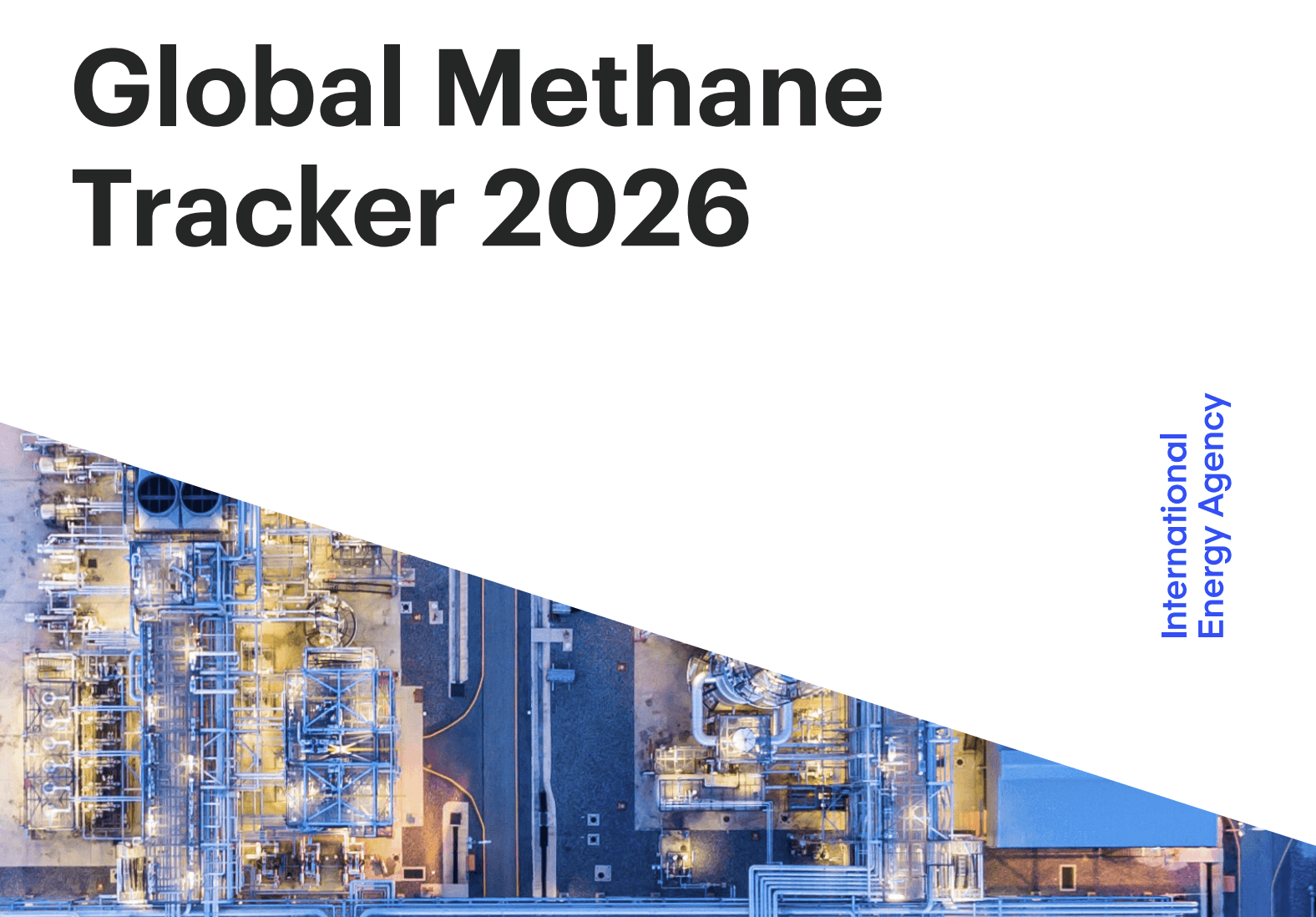
The IEA's Global Methane Tracker 2026, released last May, is unambiguous. The fossil fuel sector accounts for around 35% of methane emissions from human activity, and emissions from fossil fuel operations total 124 million tonnes a year, with no sign they are falling globally despite well-known and proven mitigation pathways. Around 70% could be abated with existing technology. Yet global average upstream methane intensity has only fallen around 10% since 2019, and performance varies widely across countries.
That variance is the disclosure problem in one sentence. Sector-level averages tell you what the industry emits. They say very little about what your specific value chain contributes. And as methane reporting expectations tighten through the EU Methane Regulation, the distance between an industry average and a defensible number will start to matter.
This is the same data infrastructure gap that makes Scope 3 carbon reporting challenging. The root cause is identical: fragmented value chain data and minimal structured workflow to collect it. MOYA Analytics' physics-informed approach is designed to get closer to supplier-level emissions data, the kind of granularity that becomes harder to avoid as disclosure expectations tighten.
Stay tuned with MOYA Analytics to start rewriting how you count your emissions.
The IEA laid out the full picture in its Global Methane Tracker 2026, the data behind this post: https://www.iea.org/reports/global-methane-tracker-2026
#CarbonMarkets #Decarbonisation #ClimateAction
Thanks for reading.
Interested in collaborating with MOYA Analytics? Reach out to our team and let's build better climate intelligence together.